
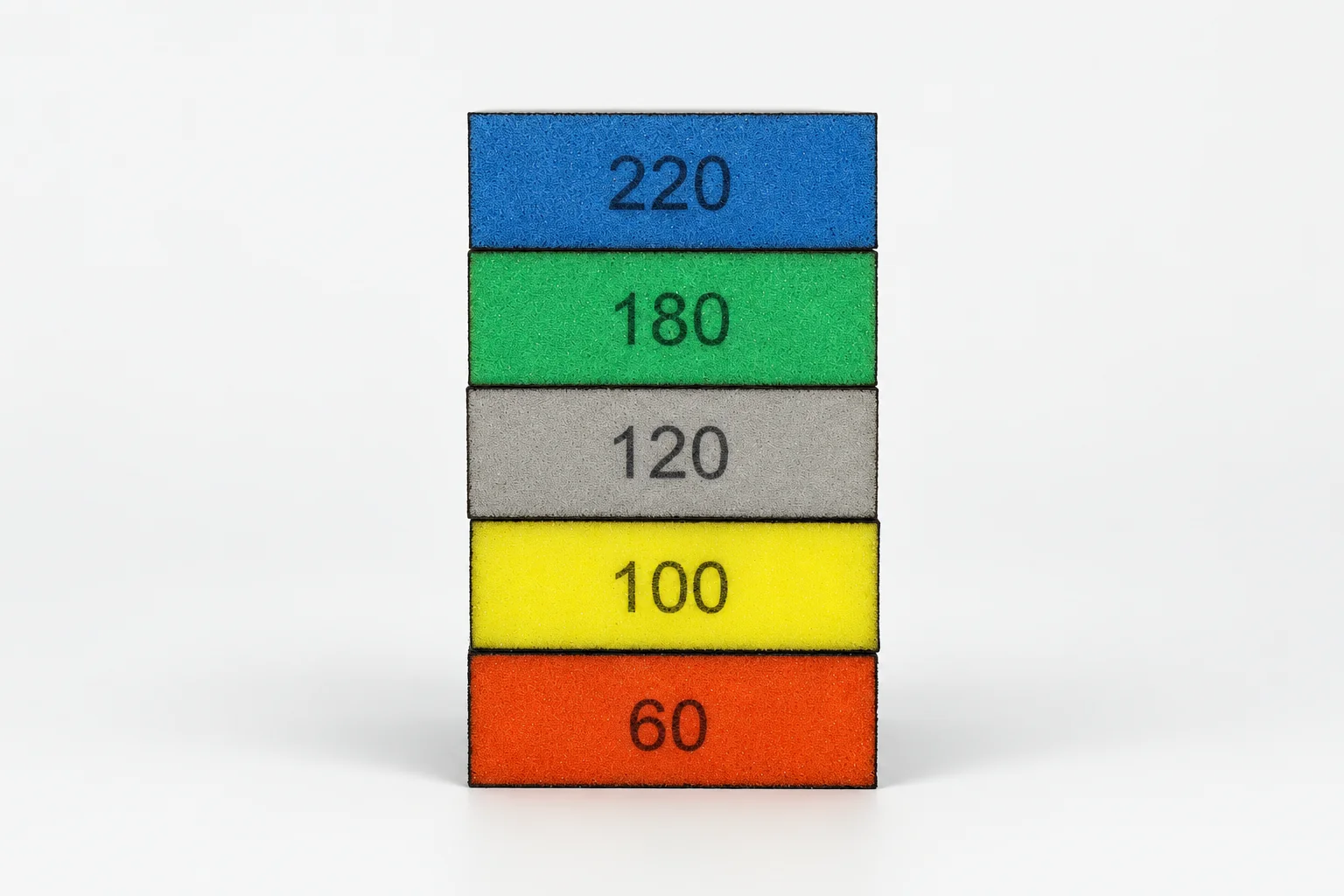
Selection Guide
Sponge Abrasives: When to Use Them and When to Choose Another Tool
A practical route from workpiece shape and removal target to grit, product form and trial validation.
Read more
A practical route from workpiece shape and removal target to grit, product form and trial validation.
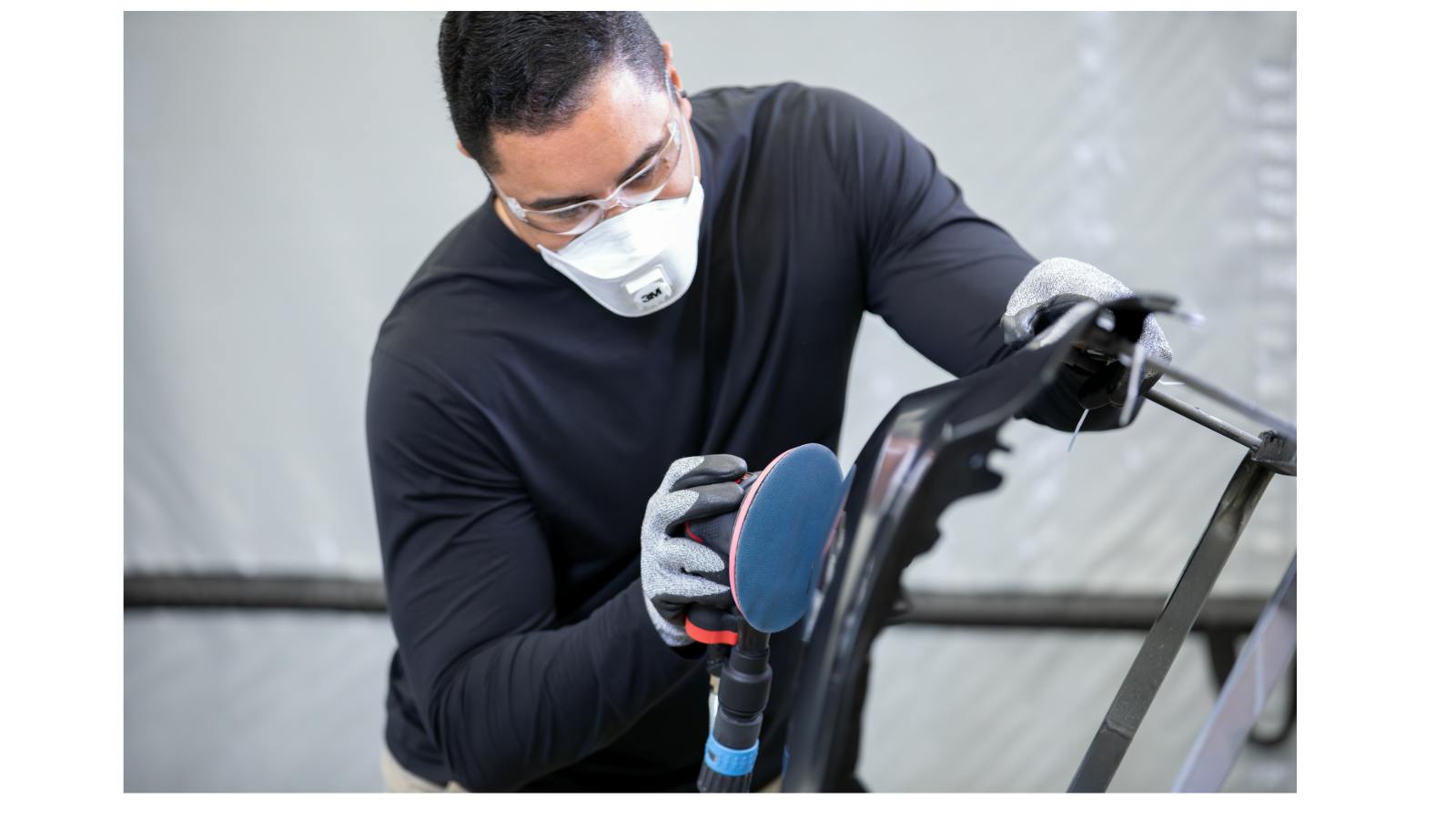
A ceramic blend and open net construction connect cutting performance with compatible dust extraction in collision repair.
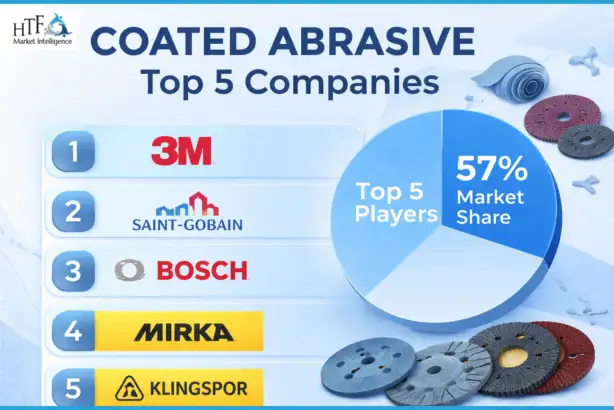
HTF’s public outlook highlights ceramic grains and automation, with discrepancies in its published growth figures.
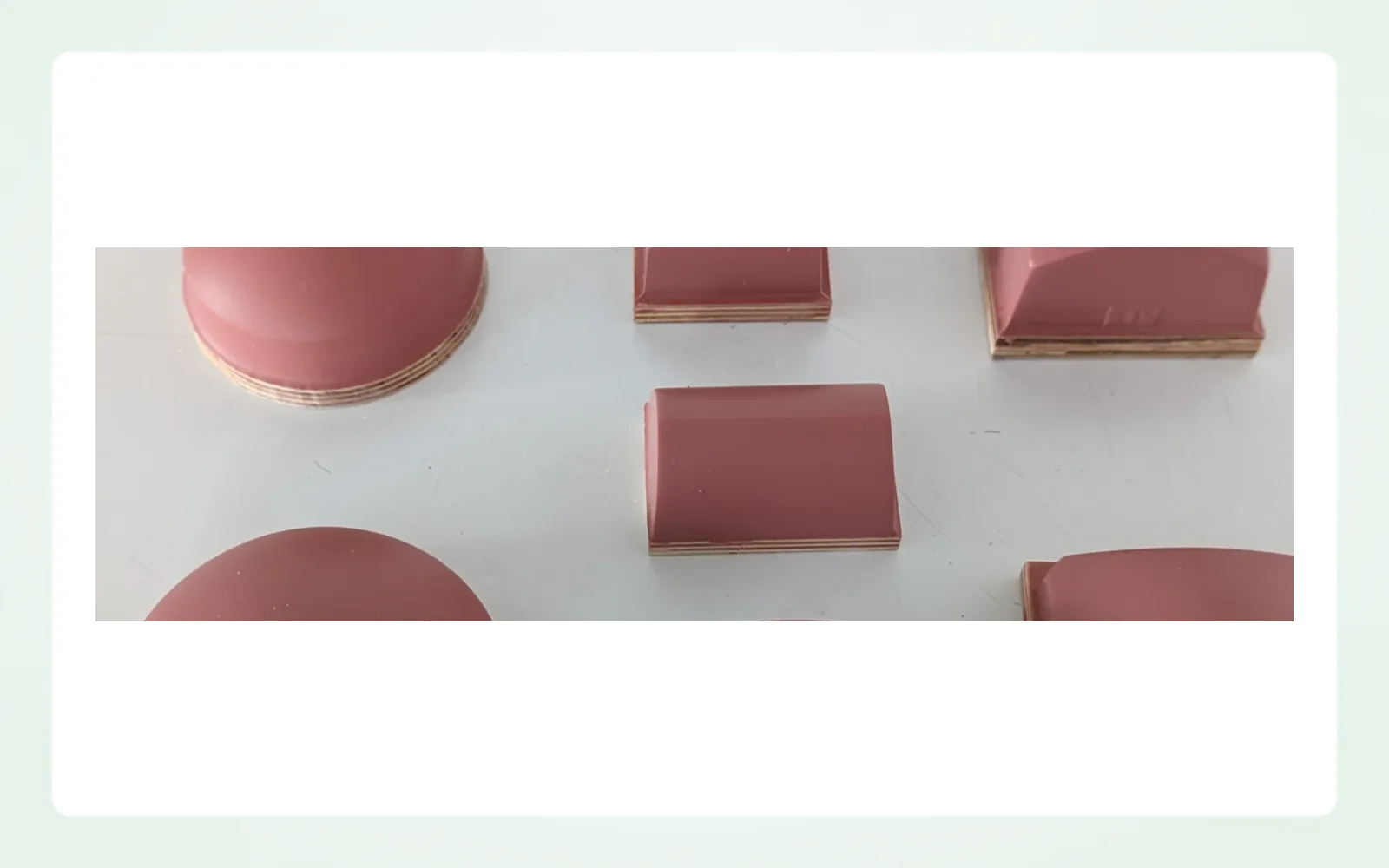
Ready-made pads and silicone for in-house casting offer two routes to application-specific pad printing.
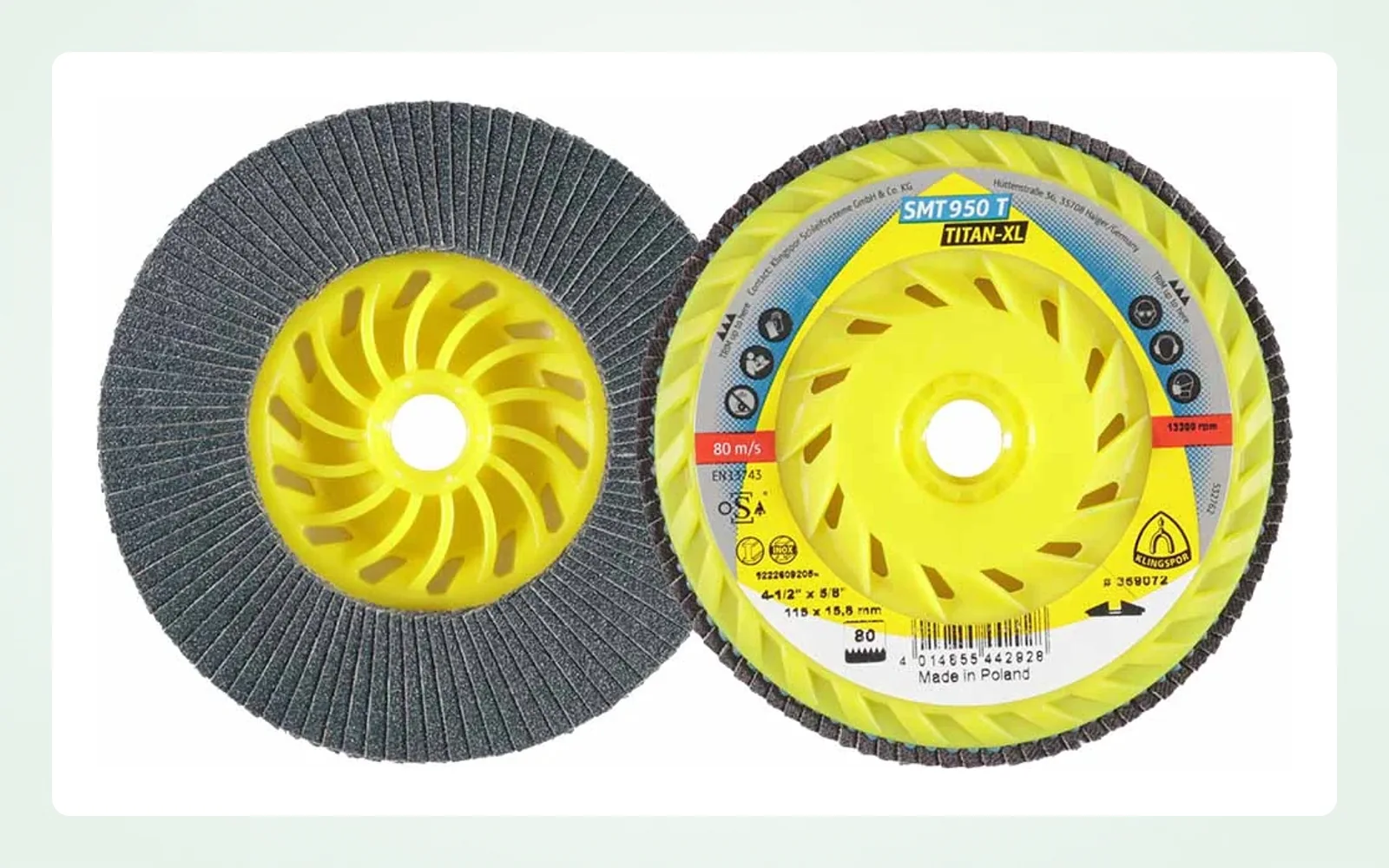
Choose flap discs by the workpiece, geometry, grit progression, operating conditions and required finish.

A dated freight-market snapshot highlights why landed-cost estimates need route-specific rates and a clear validity period.
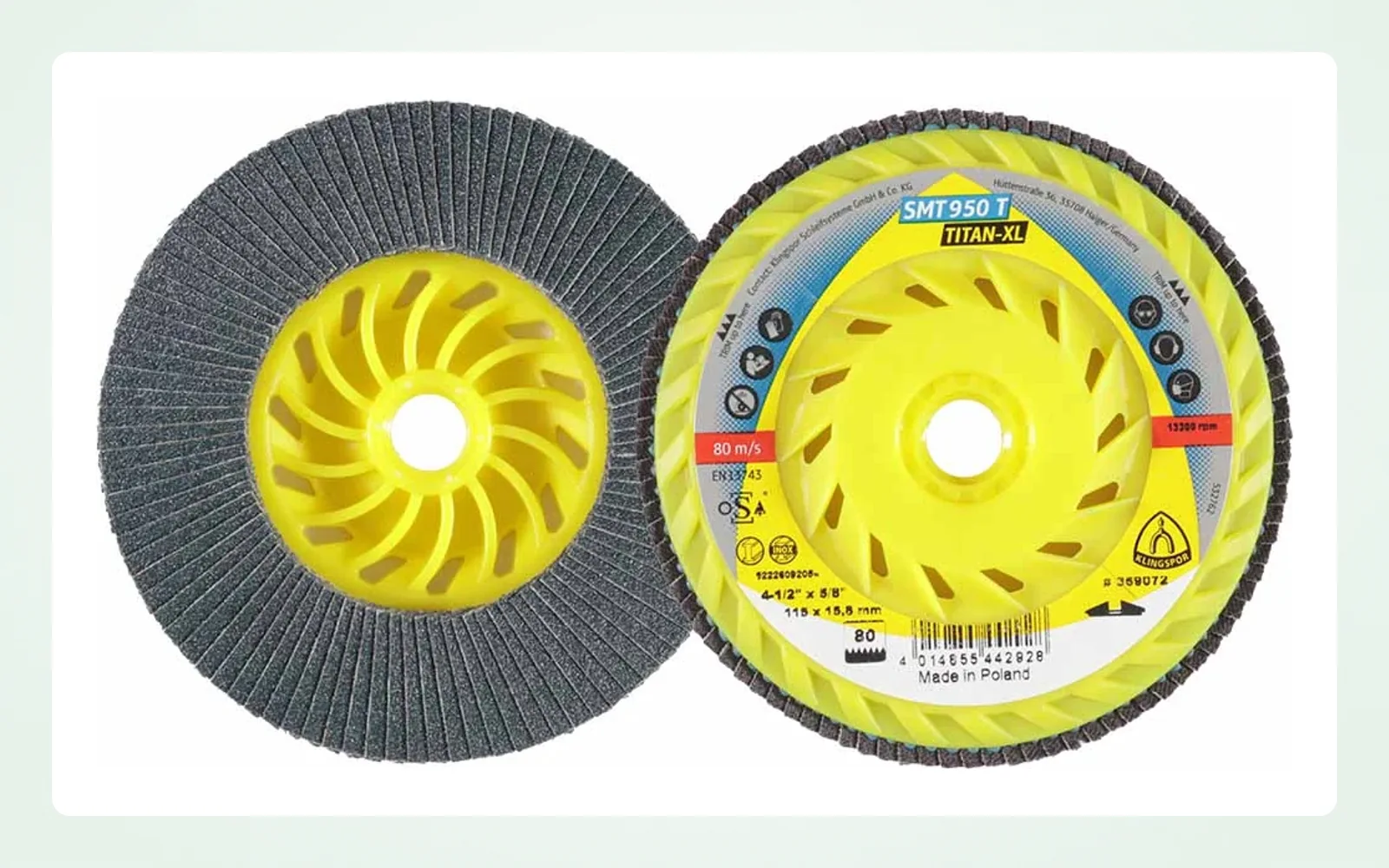
Klingspor’s CMT, SMT and TITAN families show how abrasive selection can be organised around changeover time, operating intensity and usable life.
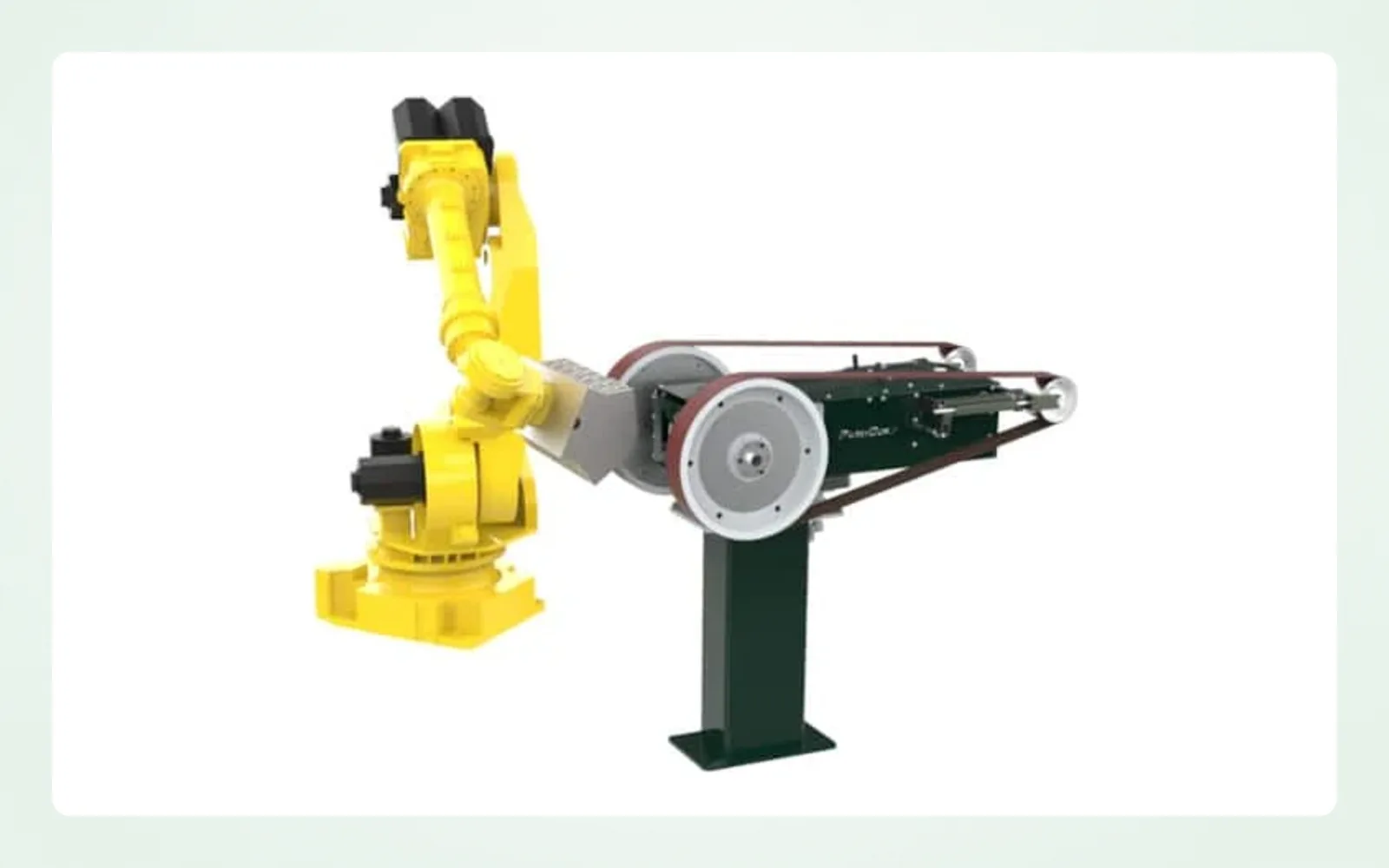
A casting burr provides a practical starting point for understanding robot positioning, spindle tooling, force control and abrasive consistency.
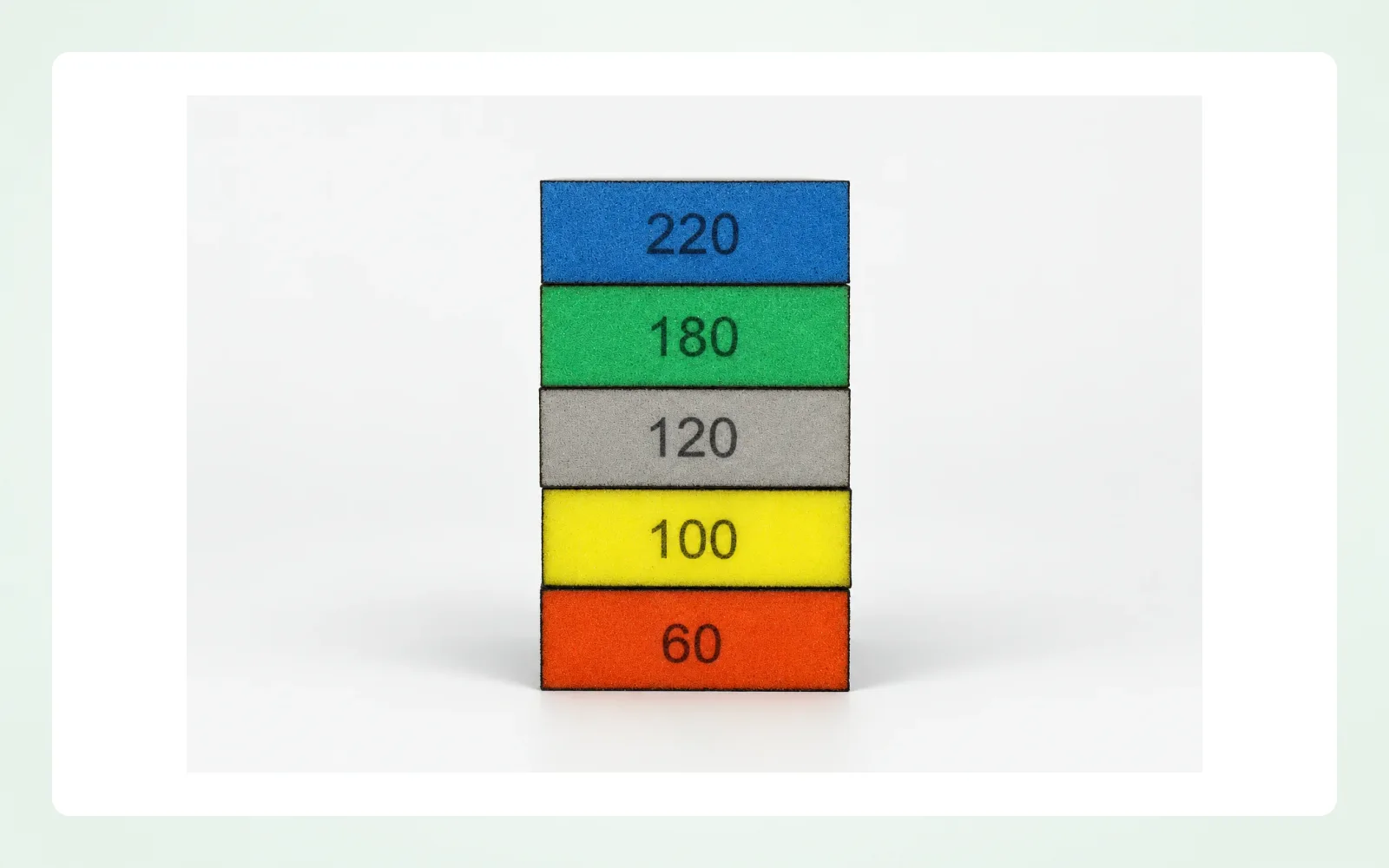
Sponge abrasive structure, flexible backing, grain coating and anti-loading concepts, with patent figures distinguished from product specifications.
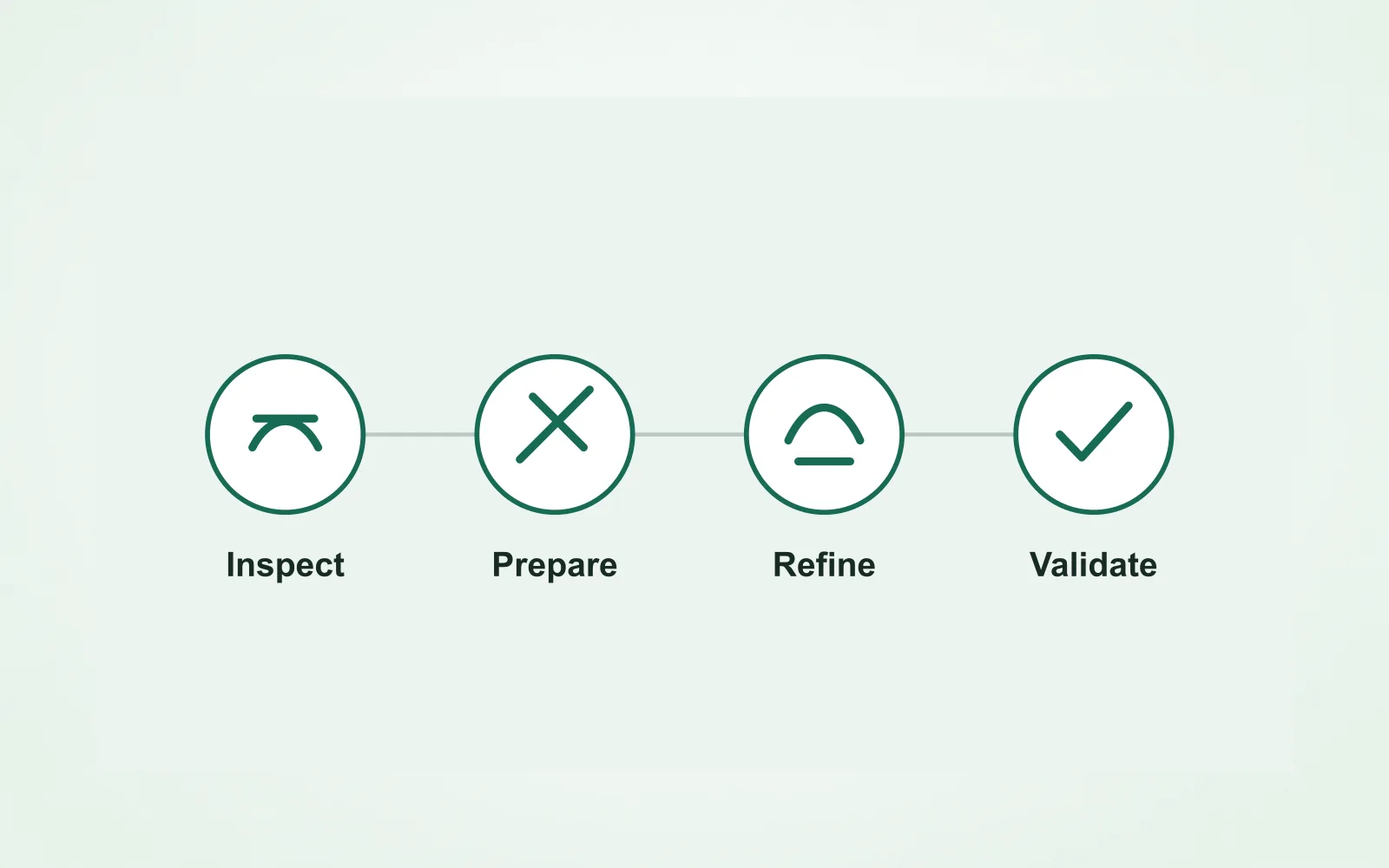
A compact path from workpiece inspection to preparation, refinement, and final validation.
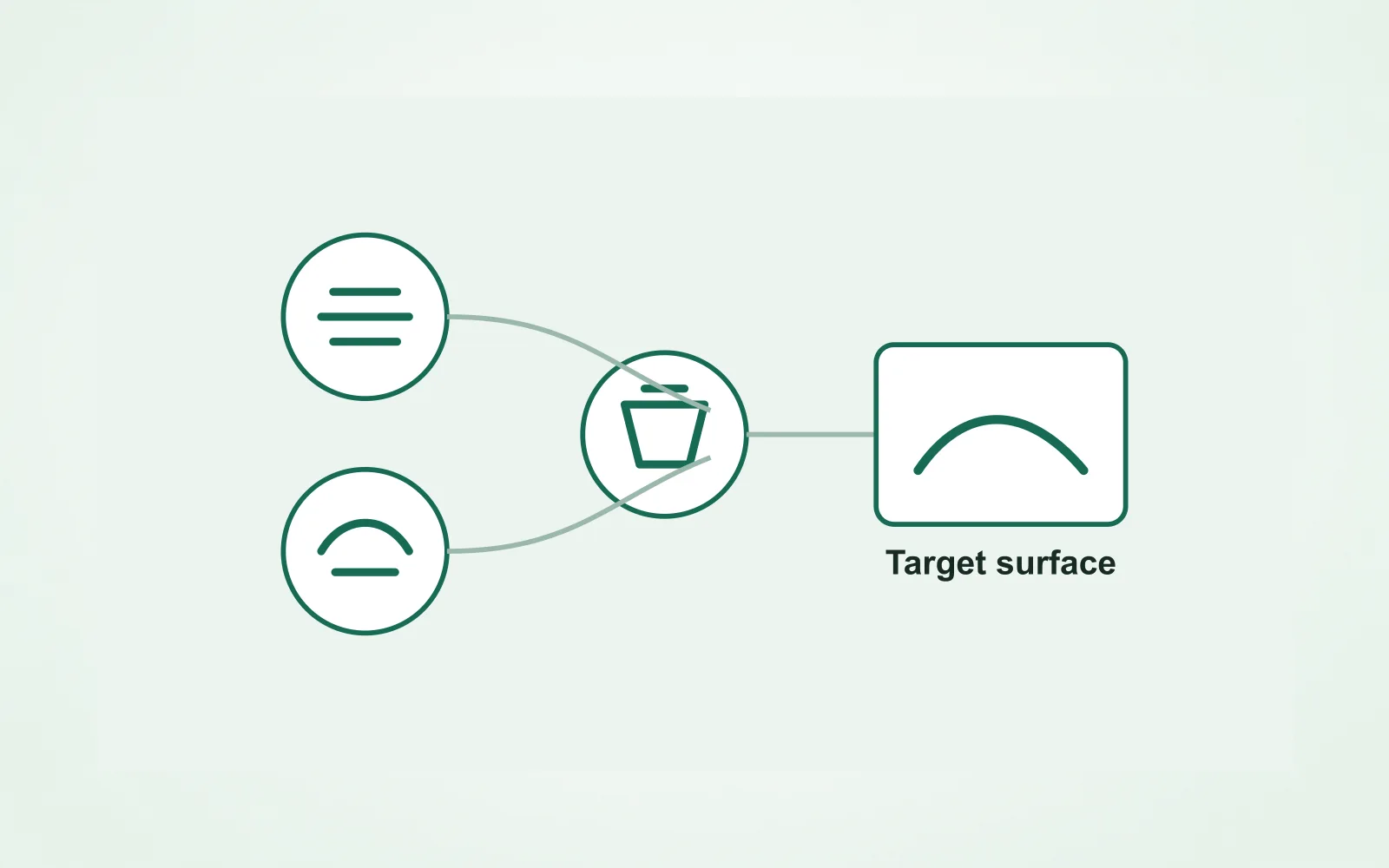
A practical explanation of how preparation, refinement, and contact tools work together.

A practical guide to surface finishing, abrasive preparation, lapping, polishing, automation, and representative-part trials.

Build a polishing path around the starting surface, contact tool, compound, equipment, and acceptance criteria.

Product model and destination market are essential when requesting datasheets, SDS, or compliance files.